Camden council bulky rubbish collection Finchley Road
Posted on 12/08/2026
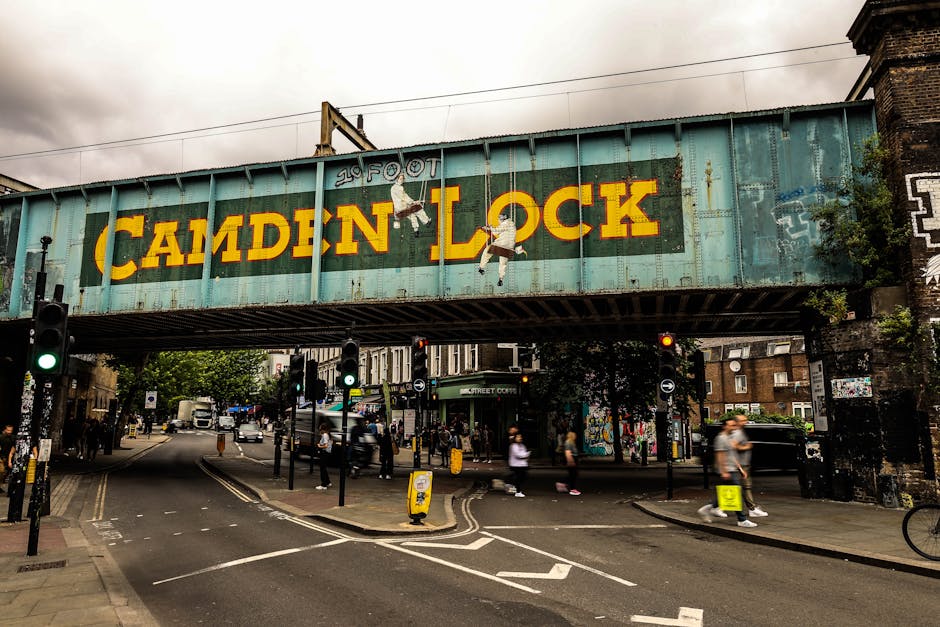
Camden council bulky rubbish collection Finchley Road: what residents need to know
If you live near Finchley Road and you are trying to get rid of a sofa, mattress, broken wardrobe, or a pile of awkward household clutter, the rules can feel strangely specific. That is exactly why people search for Camden council bulky rubbish collection Finchley Road: they want a clear, local answer without having to trawl through endless pages or second-guess what counts as bulky waste.
To be fair, bulky waste is one of those jobs that always seems simple until you actually start moving the item. A chest of drawers that looked manageable in the flat suddenly becomes a two-person lift, a lift that is not wide enough, or a stairwell that turns into a minor workout. This guide explains how bulky rubbish collection usually works in Camden, what to check before you book, how to prepare your items, and when a private alternative may save time and stress. If you are weighing up a council collection against a faster local service, you are in the right place.
Why Camden council bulky rubbish collection Finchley Road Matters
Bulky waste collection matters because large items are not just inconvenient; they can block hallways, create safety issues, and make a property feel cluttered very quickly. In a busy part of north London like Finchley Road, where flats, converted buildings, and shared entrances are common, one oversized item can become a real nuisance.
There is also a practical side. Bulky items are not the sort of thing you can casually squeeze into a regular bin day. They may need to be booked for collection, moved to a suitable place, or handled by a licensed waste carrier. If you get the process wrong, you may end up delaying the clear-out, paying twice, or leaving the item sitting in a corridor for days. Nobody wants that. It looks untidy, and it can become a hassle for neighbours or building management too.
For many Finchley Road residents, the main question is not whether the item is bulky. It is what happens next. Council collections can be a sensible route for straightforward household items, but timing and availability matter. If you need something cleared quickly after a move, a refurb, or a tenancy change, you may need to compare the council option with a private service such as local rubbish collection in Swiss Cottage or broader waste removal support in Swiss Cottage. The point is not to overcomplicate it. The point is to match the method to the job.
Expert summary: If your bulky waste is easy to access, non-hazardous, and you can wait for a scheduled slot, council collection may be enough. If access is awkward, time is tight, or the amount of waste is larger than expected, a local private collection can be the calmer route.
How Camden council bulky rubbish collection Finchley Road Works
While exact procedures can change, the usual council bulky waste process follows a familiar pattern. You identify the items, check that they are accepted, book a collection, prepare the waste, and make sure it is ready by the agreed time. Simple on paper. Slightly less simple in a fourth-floor flat with narrow stairs and a door that never quite stays open, as many people know from experience.
Typically, bulky collections are intended for large household items such as beds, wardrobes, sofas, tables, chairs, and similar pieces that are too large for normal disposal. Some items may need special handling, and certain materials are commonly excluded. That is why it is worth checking the details carefully before you book. A collection booked for the wrong thing can be frustrating and may mean a wasted slot.
If you are close to Finchley Road, the local reality matters too. Parking, loading access, and street layout can affect how quickly items can be taken away. A collection that would be easy in a driveway can become more complicated outside a busy residential block. That is one reason local residents sometimes compare the council route with a service that already understands the area and can handle the lift-and-carry side of the job. For larger clear-outs, you might also look at house clearance services in Swiss Cottage or office clearance support if the waste is tied to a relocation or workspace change.
One thing people often overlook: the collection is not just about removal. It is about access. Can the crew get to the items without dragging them through an entire property? Are they stacked safely? Are they mixed with small loose waste, which makes handling slower? These details affect whether the day feels smooth or slightly chaotic. And yes, bulky waste days can become a bit chaotic if nobody has sorted the items first.
Key Benefits and Practical Advantages
There are several reasons people choose council bulky rubbish collection rather than trying to do everything themselves. The first is obvious: it saves a great deal of lifting and vehicle logistics. Hiring a van, finding a helper, and making several trips to a disposal point is not a small task. It is often a half-day gone before you know it.
The second benefit is peace of mind. When waste is collected through an established local route, there is less guesswork about what happens next. You are less likely to be left staring at a pile of items on the pavement wondering whether the collection will happen today, tomorrow, or maybe next week. That certainty, even if limited, is worth a lot when you are juggling work, school runs, or a tenancy deadline.
Another practical advantage is that bulky collection helps keep communal spaces clear. In apartment buildings and shared houses, one abandoned mattress or broken desk can quickly become everybody's problem. A proper collection reduces that friction. It also helps avoid the awkwardness of neighbours asking whose chair is blocking the entrance. We have all seen that kind of situation; it never improves anyone's morning.
For people who need a wider tidy-up, council bulky waste is often just one part of a bigger clearance. That is where services such as house clearance in Swiss Cottage or builders waste disposal in Swiss Cottage can be useful if the project includes renovation debris, furniture, or mixed items.
- Less heavy lifting for residents
- Less risk of leaving items in hallways or shared access areas
- Cleaner exit routes for tenants, landlords, and managing agents
- More predictable planning than ad hoc disposal
- Potentially better fit for one-off household clear-outs
Who This Is For and When It Makes Sense
This service is for residents and property occupants who have large items that no longer fit normal bin collections. In practical terms, that includes tenants moving out, homeowners replacing furniture, landlords clearing a property between lets, and families dealing with accumulated clutter after a long period of living in one place.
It also makes sense for anyone in a building where carrying waste out is awkward. Finchley Road properties can include basement flats, mansion blocks, converted terraces, and busy shared entrances. If you have ever tried to turn a sofa through a narrow stairwell, you already know why this matters. Sometimes the item is not the problem. The property is.
Council bulky collection can be a good fit when:
- You have a small number of accepted bulky household items
- You can wait for an available collection slot
- The items are already accessible near the exit
- You are not dealing with mixed builder's waste or commercial waste
- You want a lower-effort option and the timing works
It may be less suitable when you have a deadline, several rooms to clear, or a mixture of furniture, rubbish, and awkward materials. In those cases, many people look at a local specialist and compare it with the council option. If you are still gathering options, the services overview can help you understand the broader types of clearance support available.
Step-by-Step Guidance
If you want the process to go smoothly, do not start by booking. Start by sorting. That small bit of prep saves a lot of backtracking later.
- List every bulky item. Write down what needs to go, room by room, so nothing is forgotten in a hallway or cupboard.
- Check the item type. Make sure it is the kind of waste accepted by the collection route you are using. Some things are treated differently, and some may not be accepted at all.
- Measure awkward pieces. If the item needs to be carried through tight spaces, note the size and access issues. A quick look at doorway widths can save a lot of fuss.
- Remove personal contents. Empty drawers, cushions, bedding, cables, and loose bits. It sounds obvious, but people forget all the time.
- Book the collection or request a quote. If you need clarity on pricing or options for a larger job, check pricing and quotes.
- Prepare the access route. Put items in a safe, reachable place if instructed, and keep entrances clear.
- Set aside any items you are keeping. Use a separate corner or room so nothing is accidentally removed. This happens more often than people admit.
- Confirm timing. Make sure you know the collection window and whether someone needs to be present.
A tiny detail, but an important one: do a final sweep the night before. Shoes under a bed, lamp shades on top of wardrobes, that one box in the back of the cupboard. You will thank yourself in the morning.
Expert Tips for Better Results
After enough clearances, one pattern becomes obvious: the best results come from preparation, not speed. People often focus on the booking and forget the practical handling of the items. That is where trouble starts.
Tip 1: Keep bulky items separate from loose rubbish. Mixed waste slows everything down. Put broken lamps, loose packaging, and small oddments into a separate bag or box. If your job has a bit of everything, a broader local service such as waste removal in Swiss Cottage may be a better fit than a narrow bulky-only collection.
Tip 2: Think about access before collection day. Can someone easily carry a mattress through the hallway without hitting walls? Is there a parking restriction outside? Little things matter. They really do.
Tip 3: Photograph larger items before booking. This is especially useful if you are comparing council collection with a private quote. A few photos help avoid misunderstandings about quantity, condition, and access.
Tip 4: Be realistic about what you can move safely. If an item is heavy, sharp, or unstable, do not wrestle with it alone just because it feels quicker. A strained back is not a clever shortcut. Been there, regretted it.
Tip 5: Group your clear-out by room. That makes it easier to see whether the bulky waste is actually one sofa or a sofa, two armchairs, a cabinet, and half a shed worth of clutter. The truth tends to emerge during sorting.
If you are managing a tidy-up for a rented property, office, or mixed-use space, it can be worth looking at related guidance such as office clearance support or the local article on rubbish removal near Swiss Cottage Station NW3 for a more area-focused view.
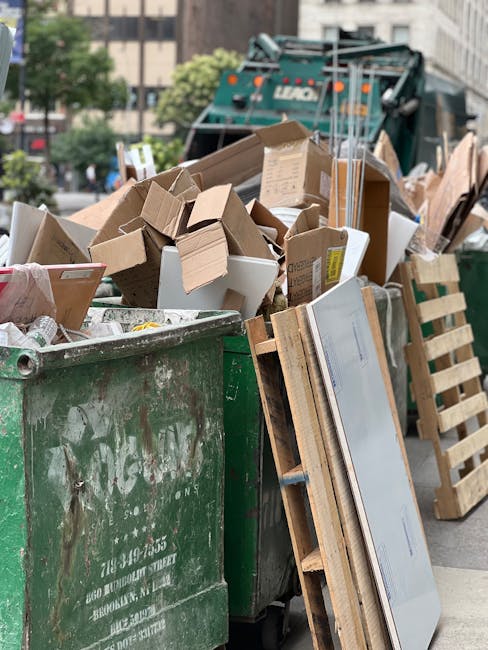
Common Mistakes to Avoid
Most bulky waste problems are avoidable. The same mistakes come up again and again, and they are usually ordinary ones rather than dramatic ones.
Booking too late. This is the classic. You remember the collection only after the tenant has handed back the keys or the builder is due in the morning. Then everything becomes rushed.
Assuming all items are treated the same. A sofa, a broken freezer, and a pile of timber are not all the same thing. Some categories may need different handling. If you are unsure, ask before placing items out.
Leaving items in the wrong place. If access instructions say one thing and the waste is left somewhere else, the collection may not happen as expected. That can mean a delay, or at the very least a frustrated conversation with yourself in the doorway.
Forgetting to compare total effort, not just price. A council slot may look cheaper at first glance, but if the timing is awkward and you still have to move everything yourself, the saving may be smaller than it seems. For some people, that is fine. For others, not so much.
Ignoring safety. Heavy furniture and tight stairwells are not a good mix. If a piece needs two people, use two people. If it needs wheels, padding, or dismantling, plan for that in advance.
Tools, Resources and Recommendations
You do not need fancy equipment to deal with bulky waste properly, but a few simple tools make a big difference. A tape measure, sturdy gloves, strong bin bags, a screwdriver set, and a torch can be surprisingly useful. The tape measure especially. People underestimate it all the time, then discover a wardrobe will not pivot around the landing.
For bigger clear-outs, photos are one of the best planning tools. Take pictures of each bulky item, the access route, and any stairs or parking constraints. If you later ask for help or compare options, you will have a much clearer picture of what is actually involved.
It also helps to keep related documents in one place. If the clear-out is connected to a tenancy change, refurbishment, or sale, save any booking confirmations, quotes, and instructions in one folder. That way nobody is hunting through emails at the last minute. Very ordinary advice, but very useful.
Useful next steps often include:
- Checking what items are being removed and what can stay
- Measuring access points and noting any parking restrictions
- Deciding whether the job is a simple bulky collection or a fuller clearance
- Reviewing recycling and sustainability guidance if you want to dispose of items thoughtfully
- Looking at insurance and safety information if the job involves heavier lifting or complex access
And if you are in the middle of a property move or planning a bigger tidy-up, the right service can save a lot of mental load. Not everything has to be solved one item at a time.
Law, Compliance, Standards, or Best Practice
Waste disposal in the UK is not something to treat casually. Even at a household level, you should make sure items are handed to a legitimate route and not left for someone else to deal with informally. Fly-tipping, improper disposal, and unsafe handling can create problems for residents, landlords, and property managers alike.
Best practice is simple: know what you are disposing of, use a proper collection route, and avoid leaving waste in communal areas longer than necessary. If a company is collecting on your behalf, it is reasonable to expect that they operate safely, provide clear service terms, and handle waste responsibly. If you are comparing providers, take a moment to review the service terms so you understand what is included and what is not.
Safety matters too. Bulky items can cause strain, slips, and damage to walls or flooring if moved carelessly. A professional approach should include sensible lifting practices, suitable transport, and attention to the building itself. If you live in a block with a managing agent, it is wise to follow any house rules about access, lift use, or loading bay booking.
There is also a sustainability expectation now that many people care about deeply. Reuse, recycling, and careful sorting are all better than simply throwing everything into one pile and hoping for the best. That may sound basic, but basic is often where the difference shows.
Options, Methods, or Comparison Table
There is no single right answer for every Finchley Road property. The better choice depends on timing, access, item type, and how much work you want to do yourself. Here is a plain-English comparison.
| Option | Best for | Pros | Watch-outs |
|---|---|---|---|
| Council bulky waste collection | One-off household bulky items with flexible timing | Usually straightforward, familiar process, suitable for simple clear-outs | May need advance booking; access and item rules can be restrictive |
| Private bulky collection | Urgent jobs, awkward access, mixed loads | More flexible, often quicker, less lifting for the resident | Cost can be higher depending on volume and labour |
| Full house clearance | Multiple rooms, bereavement clear-outs, end-of-tenancy, major declutter | Comprehensive, saves time, handles larger volumes | May be more than you need for a single sofa or mattress |
| DIY disposal | Very small, manageable loads with vehicle access | Direct control, can suit simple jobs | Heavy lifting, parking, multiple trips, and time cost can add up |
For many local residents, the decision comes down to this: do you want the simplest possible disposal route, or the quickest least-disruptive one? That answer changes depending on the week, the building, and whether you have already spent an hour arguing with a flat-pack wardrobe. Life happens.
Case Study or Real-World Example
Imagine a tenant on Finchley Road who is leaving a two-bedroom flat at the end of a tenancy. The flat has a bed frame, a mattress, a coffee table, and a pair of bookcases that have seen better days. At first, the tenant assumes a council bulky collection will solve everything. Then the practical issues appear: the collection window is not ideal, the hallway is narrow, and the bed frame needs dismantling before it can even be moved safely.
After checking the options, the tenant realises the job is not just one bulky item. It is a small clearance with access constraints. In that scenario, a local service with experience in handling residential clear-outs could be the better fit. The tenant gets help moving the items, avoids multiple trips, and leaves the property tidy for handover. Nothing dramatic. Just a smoother week, which honestly is worth something.
That example is common. The job looks "small" until you count the stairs, the parking, the time pressure, and the fact that the sofa is heavier than anyone expected. The right method is the one that fits the real job, not the idealised version in your head.
If the situation is more like an entire flat or workspace needing attention, you may want to explore the company background and the broader clearance options before deciding what route to take.
Practical Checklist
Use this checklist before you book or arrange a bulky collection. It keeps the job tidy and reduces unpleasant surprises.
- Identify every item to be removed
- Separate bulky items from general rubbish
- Check whether anything needs dismantling
- Measure stairs, doors, and tight corners
- Confirm whether the items are accepted by the chosen service
- Clear access routes and communal areas
- Remove personal belongings from furniture
- Take photos if you need a quote or comparison
- Check timing, parking, and building access rules
- Keep a backup plan if the collection slot changes
One more thing: if your clear-out includes garden furniture, planters, or outdoor clutter, it may be worth looking at garden waste removal in Swiss Cottage rather than forcing everything into one category. Mixed jobs are where people get tangled up.
Get a free quote today and see how much you can save.
Conclusion
Camden council bulky rubbish collection Finchley Road is most useful when you have a clear, manageable set of items and enough time to work with the council process. It can be a sensible, organised way to remove large household waste without turning your week upside down. But if access is tricky, the items are many, or the deadline is tight, a local private clearance option may be the more practical choice.
The real trick is matching the method to the reality of your property. A sofa is just a sofa until you try to move it down a narrow staircase in a busy Camden street. Then the details matter. A lot.
Whether you choose the council route or a private alternative, a little planning makes the whole thing feel much lighter. And that is usually the goal, really - less clutter, less stress, and a home that feels easier to live in.

Copyright © . House Clearance Swiss Cottage. All Rights Reserved.